


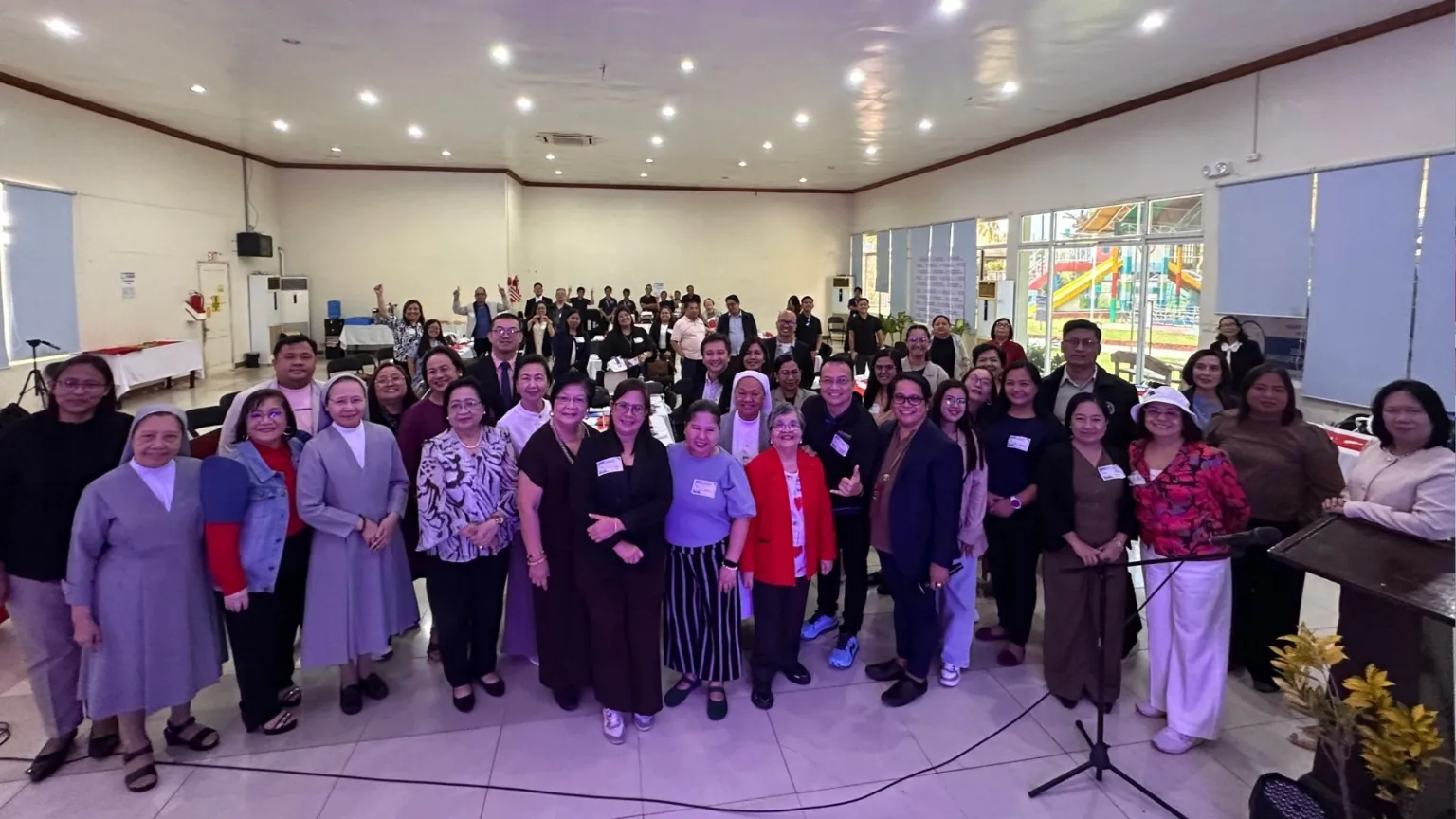
The World Council for Curriculum and Instruction (WCCI) – Philippines Chapter successfully held its 2026 National Convention on February 27, 2026, at Mergrande Ocean Resort in Barangay Aplaya, Talomo, Davao City. With the theme “Mental Wellness for Sustainable Peace Building,” the convention gathered more than 50 educational experts, school leaders, researchers, and both seasoned and emerging educators from Luzon, Visayas, and Mindanao. The gathering served as an important platform for dialogue, collaboration, and knowledge exchange among educators committed to strengthening peace education and promoting holistic well-being in schools. The convention highlighted the growing recognition that mental health and peace education are deeply interconnected, and that both must be intentionally integrated into educational systems to cultivate resilient learners, empathetic individuals, and compassionate communities.
In her opening remarks, WCCI Philippines Chapter President, Sr. Merceditas O. Ang, SPC, emphasized the organization’s continued commitment to advancing educational initiatives that foster both personal well-being and a culture of peace. She noted that the theme of the convention resonates strongly with the current realities faced by schools, where educators are increasingly called upon to respond not only to academic needs but also to the emotional and psychological well-being of learners. Sr. Ang underscored the responsibility of educators to nurture learning environments where students can flourish socially, emotionally, and intellectually, thereby contributing to more harmonious and sustainable communities.
Delivering the keynote address, Dr. Gail Ilagan presented an insightful and compelling discussion on the neuropsychological foundations of sustainable peace building. She explained how Social and Emotional Learning (SEL) interventions actively reshape the brain through a process known as neuroplasticity, strengthening the prefrontal cortex, the region responsible for emotional regulation, decision-making, and impulse control. According to Dr. Ilagan, this development enables learners to pause before reacting to difficult situations. She emphasized that “the pause is the birthplace of peace,” highlighting the importance of cultivating emotional awareness and self-regulation among students. Dr. Ilagan further stressed that SEL must be implemented as a systemic and sustained educational approach, rather than treated as a temporary or isolated classroom activity. She pointed out that chronic behavioral and emotional challenges cannot be addressed through short-term interventions alone but require consistent, long-term support structures embedded within school systems.
In her presentation, Dr. Ilagan also emphasized that collaboration—not coercion—should be the guiding culture in classrooms and society. She described sustainability in peacebuilding as durability, referring to the long-term cultivation of individuals who become peacekeepers from the inside out. The keynote also explored the impact of transgenerational trauma, which can affect learners’ emotional responses and limit their cognitive flexibility. Instead of asking what is wrong with a student, Dr. Ilagan encouraged educators to ask what may have happened to the student, advocating for trauma-informed educational practices that prioritize empathy and understanding. She further highlighted the importance of helping students understand the science behind their own stress responses, enabling them to develop healthier coping mechanisms. Dr. Ilagan reminded participants that mental health is not merely an auxiliary support service but the primary engine of a sustainable and productive learning environment. In her words, “A beautiful sandhouse does not last, no matter how beautiful,” emphasizing that true peace cannot be sustained without strong psychological and emotional foundations. Peace, she explained, is not solely a political or societal concept; it is deeply rooted in psychological stability, emotional regulation, and empathy.
Following the keynote session, Dr. Emerita Garon presented updates from WCCI International, sharing global initiatives and collaborative programs that align with the organization’s mission of promoting curriculum innovation, peace education, intercultural dialogue, and global citizenship. Her presentation connected the work of the Philippine chapter with broader international efforts aimed at transforming education to address contemporary global challenges.
In the afternoon session, Dr. Maria Isabel Lemen facilitated an engaging and highly interactive workshop entitled “From Well-being to Peacekeeping: A Mental Health Perspective.” The workshop aimed to deepen participants’ understanding of the relationship between mental health, emotional well-being, and sustainable peacebuilding, emphasizing the crucial role that educators play in nurturing psychologically healthy learning environments. Dr. Lemen introduced practical frameworks that help educators recognize how individual emotional stability can influence collective harmony within schools and communities. She highlighted that peacebuilding does not only occur through policies or formal programs but also through everyday classroom practices that promote empathy, emotional regulation, and respectful communication. By strengthening students’ emotional awareness and resilience, educators can help learners develop the capacity to respond constructively to challenges and interpersonal conflicts.
The workshop also incorporated reflective activities and collaborative exercises, allowing participants to examine their own experiences in managing stress, addressing student behavior, and fostering supportive learning spaces. Through guided discussions, participants shared classroom scenarios and explored strategies for integrating mental health awareness into their teaching practices. These activities encouraged educators to view well-being not merely as an individual concern but as a collective responsibility that contributes to a culture of peace within educational institutions. Dr. Lemen further emphasized that mental wellness serves as a foundation for effective peacekeeping, as emotionally balanced individuals are more capable of practicing patience, understanding diverse perspectives, and engaging in constructive dialogue. Participants reflected on how teachers can act as agents of peacebuilding by modeling compassion, creating inclusive classrooms, and equipping students with the emotional and social skills necessary for peaceful coexistence.
Participants were then organized into four Special Interest Groups (SIGs) to further deepen discussions and develop actionable initiatives aligned with the convention’s theme. The SIGs included Education for Social Transformation, facilitated by Dr. Victoria Naval; Global Citizenship Education, facilitated by Dr. Flora Arellano; Peace Education, facilitated by Ms. Clarissa Orpilla; and Environmental Education, facilitated by Dr. Stella Galang. Within these groups, participants collaboratively identified priority programs, research initiatives, and educational strategies that could be implemented in their respective institutions and communities to advance peace-centered and sustainability-oriented education.
The convention concluded with a dinner and fellowship night, where participants shared reflections, exchanged ideas, and strengthened professional connections in a relaxed and celebratory atmosphere. The gathering reinforced the spirit of unity, collaboration, and shared purpose that defines the WCCI community. More importantly, the event reaffirmed the organization’s collective commitment to advancing educational practices that contribute to the development of a more peaceful, equitable, and compassionate society.
by: Ms. Clarissa B. Orpilla

